
About us
Hosting infrastructure for serious miners
Teraminerhosting is a specialist ASIC miner hosting and infrastructure provider based in North Dakota, USA.
Who we are
A hosting provider — not an exchange or investment firm
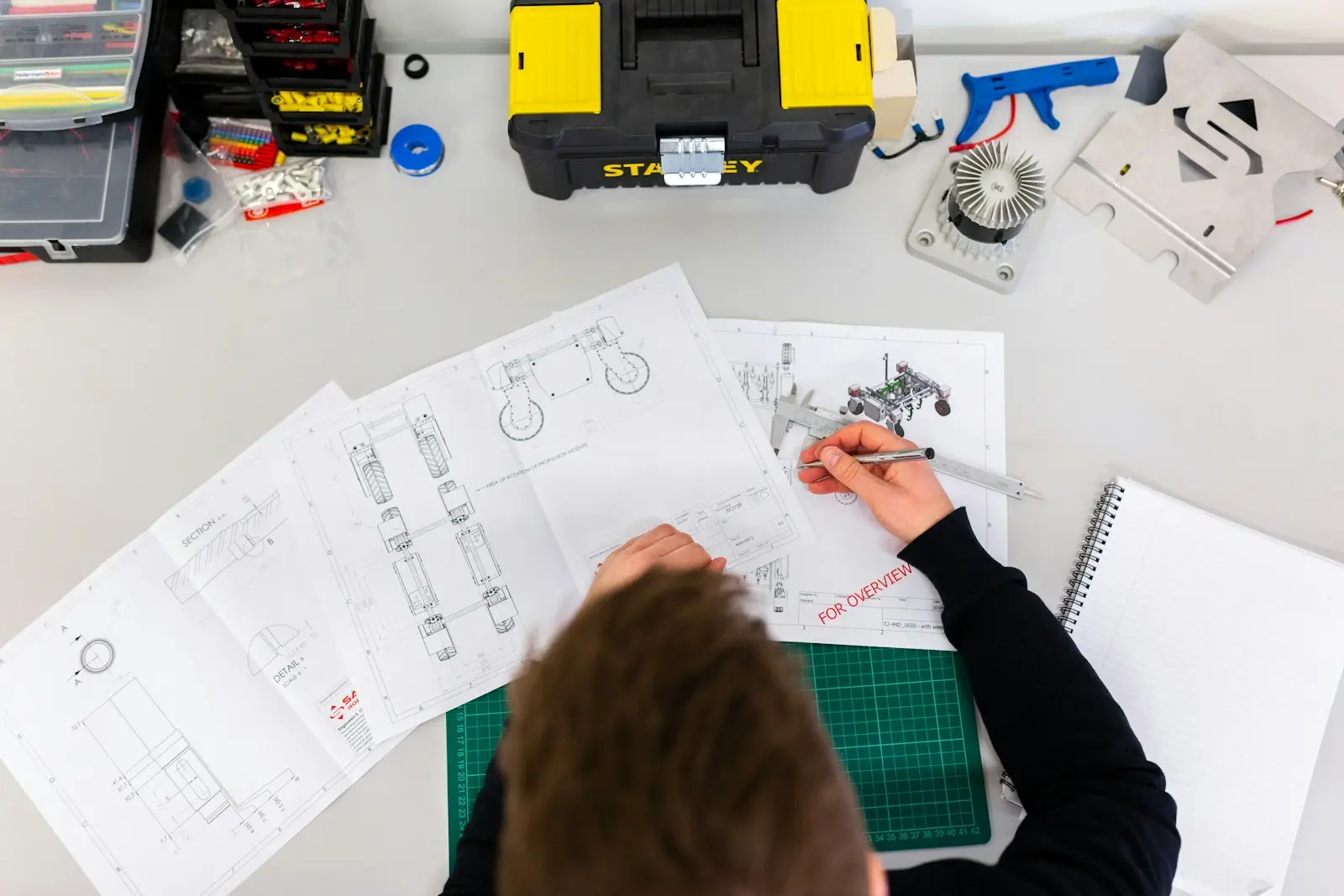
We provide the power, cooling, networking and technical care that mining hardware needs. Customers keep full ownership of their miners and rewards. We are not a mining pool, exchange, manufacturer or investment company, and we never promise mining profits.
[Placeholder: company history, founding year and team introduction.]
Our approach
Smarter energy and advanced cooling
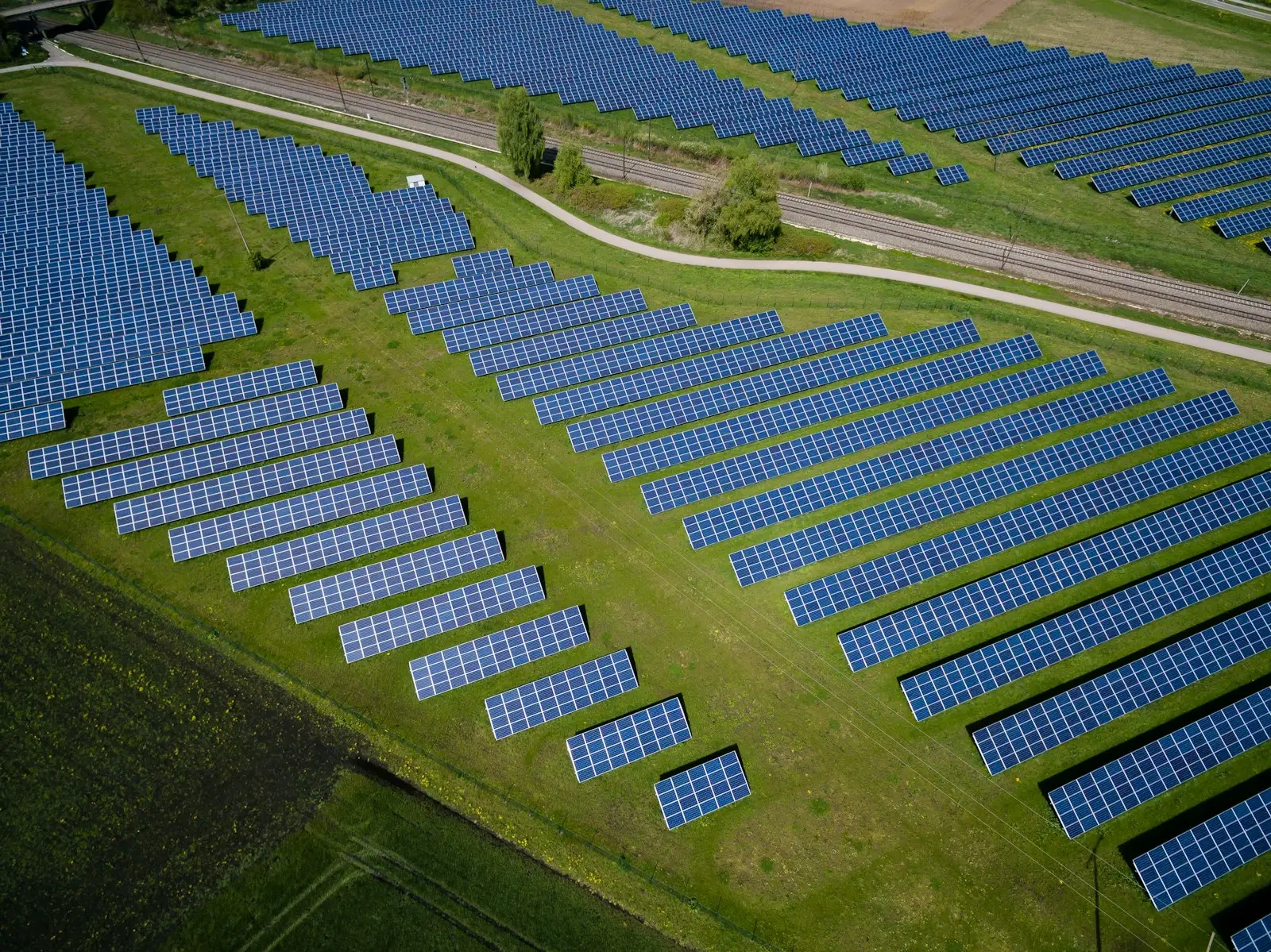
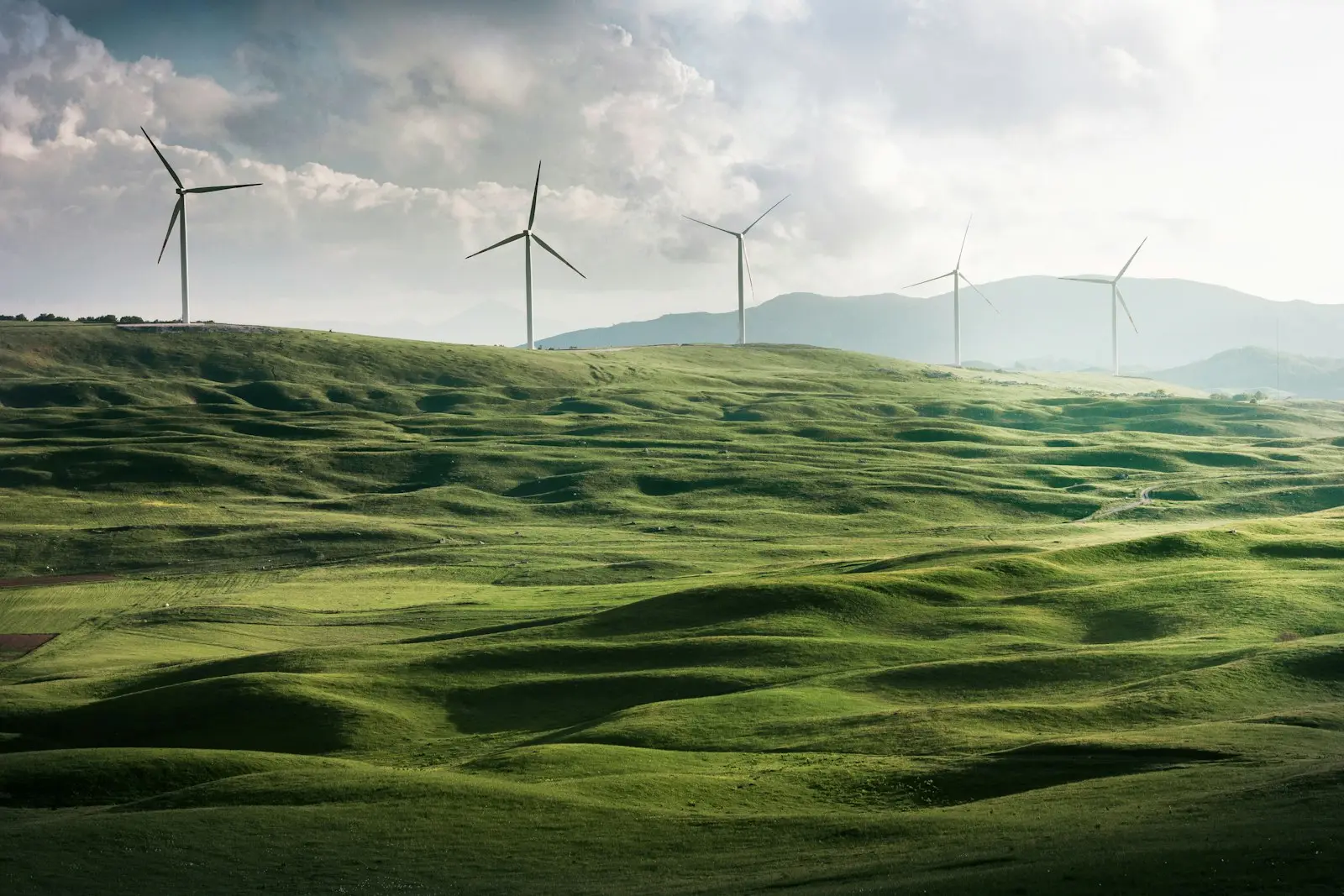
We focus on operations powered primarily by solar and wind energy, combined with a choice of air, hydro and immersion cooling, so customers can match infrastructure to their hardware.
Our values
Honesty
No inflated claims, no guaranteed returns — just clear hosting terms.
Sustainability
Prioritising renewable generation for our mining operations.
Partnership
Responsive support and long-term customer relationships.
What ASIC hosting does—and what it does not do
ASIC miner hosting is a physical infrastructure service: it connects specialized mining hardware to the power, cooling, and network resources needed to operate. Understanding that scope is essential when comparing providers. Hosting arrangements should define equipment ownership, installation responsibilities, operating charges, maintenance permissions, and equipment return procedures. The useful question is not simply whether a miner can run, but which responsibilities belong to the owner and which belong to the host. Our ASIC miner hosting guide provides a starting point for understanding this service category.
Hosting is distinct from operating an exchange, running a mining pool, or providing investment management. An exchange facilitates asset trading; a pool coordinates mining work and distributes rewards under its payout rules. Hosting addresses the equipment’s operating environment. A hosting agreement should not be read as an investment recommendation or a promise of returns. Mining revenue is not guaranteed. Network difficulty, coin price, pool terms, hardware efficiency, and operating expenses all affect results, even when equipment is functioning as intended.
Editorial standards: distinguish evidence from estimates
Technical content is most useful when readers can distinguish a manufacturer specification, an operating assumption, and a measured result. Those categories are not interchangeable. A rated hashrate does not establish sustained pool-side output, and a miner’s nameplate power figure does not establish total facility energy consumption. Check the editorial policy for the basis on which to assess content. Strong technical explanations identify their sources, describe the conditions behind comparisons, and make uncertainty visible rather than hiding it behind a single attractive number.
Review attribution should also be specific: a writing credit is not the same as a technical review credit. A meaningful review examines units, calculations, hardware compatibility, cooling requirements, and whether conclusions follow from the available evidence. Credentials can provide context, but they do not replace supporting documentation. Financial examples need particular care: assumptions about coin price, difficulty, fees, and downtime should be explicit. A calculator result is an estimate under stated inputs, not a forecast or a commitment about future mining income.
Working together starts with clear responsibilities
A productive customer-host relationship starts with an accurate equipment inventory and a shared understanding of the proposed arrangement. Useful intake details include the exact miner model, quantity, cooling configuration, electrical requirements, firmware version, and any known faults. Used equipment may need a different acceptance process from new equipment. Before shipping, establish who handles freight, transit insurance, receiving checks, and discrepancies between the shipment and the inventory. The hosting process guide helps organize the questions that belong before equipment leaves its owner.
The written agreement should then explain how operating issues become decisions. Clarify what monitoring covers, which interventions require approval, how replacement parts are authorized, and what records accompany repair work. Separate routine operating charges from potential labor, parts, shipping, or other expenses rather than assuming everything is included. Prices are quote-only; a useful quote needs a defined equipment configuration and service scope. The same clarity should apply at the end of an arrangement, including notice requirements, outstanding balances, equipment preparation, and responsibility for return shipping.
The technical disciplines behind reliable decisions
Cooling expertise begins with heat removal, not with choosing the most fashionable technology. Nearly all electricity consumed by a miner becomes heat that must leave the operating environment. Air cooling depends on airflow, intake conditions, filtration, and separation of hot exhaust from incoming air. Hydro cooling depends on compatible coolant circuits, flow, pressure, and heat rejection. Immersion adds fluid compatibility and equipment-conversion considerations. The right comparison examines the complete system and the miner manufacturer’s requirements, rather than treating any cooling method as automatically more efficient or appropriate.
Hardware and infrastructure knowledge must connect those cooling requirements to electrical and network design. Miner model names alone may not identify power-supply variants, connectors, firmware behavior, or operating limits. Electrical planning must account for continuous loads and protective devices; network planning must consider pool reachability and how interruptions are diagnosed. Troubleshooting also requires distinguishing a failed hashboard from thermal throttling, power instability, or rejected shares. The supported-miner information and monitoring and maintenance guide are relevant references when preparing model-specific questions and defining the evidence needed to investigate a performance problem.
Our energy approach—and the limits of that statement
Teraminerhosting’s operations are powered primarily by solar and wind. “Primarily” matters: it does not mean exclusively, and it should not be interpreted as a claim of 100% renewable power. An energy-source statement also does not, by itself, establish an emissions total or a carbon-neutral operating model. Responsible comparisons keep these questions separate. What supplies electricity, how energy use is measured, and how environmental impacts are calculated are related subjects, but each requires its own evidence and a clearly defined reporting boundary.
Energy sourcing is also separate from hardware efficiency. A miner’s joules-per-terahash rating describes the energy required for a unit of computational work under specified conditions; it does not describe the source of that electricity. Facility-level consumption may additionally include cooling, pumps, fans, and other supporting loads. Comparing alternatives therefore requires consistent measurement boundaries and operating assumptions. Our guide to energy and mining provides context for these distinctions. Neither an energy-source preference nor an efficient miner removes the financial uncertainty inherent in mining.
Where to find us
The Teraminerhosting facility is in North Dakota, USA. Facility location is a practical due-diligence detail, not a substitute for reviewing the hosting agreement. It can inform freight planning, insurance questions, and the legal or tax advice an equipment owner may need. However, a location statement should not be treated as a shipping instruction or permission to visit. Before arranging transport, confirm the receiving destination and delivery requirements through the appropriate contact process so that equipment is not sent using an incomplete address.
Use the facility information page to frame site-related questions and the contact page for questions requiring a direct answer. Useful topics include delivery documentation, the proposed equipment acceptance process, and any arrangements necessary before a visit. Keep commercial, technical, and logistics questions distinct so each can receive a precise response. For due diligence, retain the written answers alongside the quote and agreement; a general website description should not replace the specific terms governing a particular equipment shipment or hosting arrangement.
FAQ
About Teraminerhosting
Does buying hosting mean buying a mining investment?
Hosting and investment management are different services. A hosting agreement addresses the operation of physical mining equipment and the responsibilities attached to it. It does not establish that the equipment will earn a return. Mining revenue is not guaranteed, and equipment owners need to evaluate costs and risks independently.
What makes a technical review credit useful?
A useful credit distinguishes technical review from authorship and makes the reviewer’s role clear. The underlying article should still support its claims with appropriate sources, explicit assumptions, and correct calculations. A qualification alone does not verify every statement, and a review should not be interpreted as a guarantee of hardware performance.
What information should I prepare before discussing hosting?
Prepare the exact miner model, quantity, cooling type, electrical specifications, firmware details, and known condition of each unit. Include any modifications or previous faults. These details help define compatibility questions and the proposed service scope. Pricing is quote-only, so avoid treating a generic cost example as an offer.
Why can a miner’s reported hashrate differ from pool-side hashrate?
A miner estimates its computational activity locally, while a pool estimates contributed work from submitted shares over a measurement window. Short-term variation is normal. Persistent differences can warrant investigation of rejected or stale shares, connectivity, restarts, firmware behavior, or hardware faults. Compare consistent time periods before drawing conclusions.
Ready to Host Your ASIC Miners?
Share your equipment details and our team will prepare a customised hosting quotation.